Can A Faulty Thermostat Cause A Furnace To Short Cycle?

A faulty thermostat can be a common cause of furnace short cycling, leading to inefficiency and discomfort in your home. When your thermostat malfunctions, it can send incorrect signals to your furnace, causing it to turn on and off repeatedly without completing a full heating cycle.

The term furnace short cycling refers to the process of turning on and off your heating system without achieving the thermostat’s required temperature. Short cycling may also cause you to acknowledge that your home isn’t as hot as it should be, leaving you and your family members cold and unhappy, and you might have to call experts for furnace service near me frequently.

A properly functioning furnace will turn on when the temperature in your residence falls below the desired temperature on the thermostat. The furnace will then heat your home until the accurate temperature gets achieved, at which point it will turn off.

How Can A Faulty Thermostat Cause A Short Cycle?

Faulty Thermostat

Mentioned here are some reasons that cause short cycling in a furnace.

1. Fire Sensors Degradation

When your furnace burns a gas, it produces small amounts of water during the combustion process. Metals can oxidize and rust as a result of this over time. As a result, corrosion causes frequent short cycling of your heater, which can be dangerous to your home’s security. You should disinfect and investigate your flame sensor to avoid this problem.

2. Overloading

Your furnace may overheat and close down if temperature-monitoring components are defective. One of the most likely reasons for short cycling is regular combustion. The majority of modern furnaces will have a temperature-controlling safety device built-in.

Short cycling can also happen due to a faulty heating element. In the worst-case scenario, a ruptured heat exchanger will leak hot air into other heater components.

3. Filters For Polluted Air

A clogged air filter, for example, can cause your furnace to short cycle. Polluted air filters obstruct airflow, resulting in a backup. It means that rather than being distributed throughout your home, hot air will continue to stay in the furnace.

Your furnace’s inner temperature will increase, causing your system to shut down. That’s when the furnace will cycle too much. Also, to avoid this, try to replace your furnace air filters at the beginning of each filter cycle.

4. The furnace is Too Large For Your Place

Your furnace might be too large for your house. If your heating system is extra large, it will heat your system quickly and inconsistently. Your furnace will begin to short cycle to maintain a steady temperature all across your home.

When it comes to an enlarged furnace, inadequate insulation is also a determinant in short cycling. Because larger furnaces produce more heat, the excess heat and energy will flee through gaps, cracks, and defective seals.

5. Thermostat

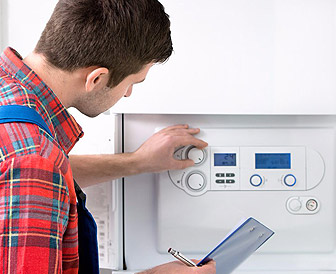
A non-responsive or defective  thermostat could be the source of short cycling. If your heater is short-cycling, the first and simplest thing you should rush to do is evaluate your thermostat to see if it is working accurately.

A homeowner may frequently forget to change their thermostat to the heating mode. As a result, the device’s cycle time will be reduced.

Thermostat Replacement in Texas

Air United Mechanical provides professional thermostat replacement services in The Woodlands, TX, and surrounding areas, including Conroe, Willis, Montgomery, Tomball, Magnolia, Spring, Humble, Katy, Cypress, and Houston.

Wondering, “Can a bad thermostat cause a furnace to short cycle?” Now you have the answer! At Air United Mechanical LLC, we install advanced, user-friendly thermostats to keep your home comfortable year-round.

Don’t let a faulty thermostat disrupt your comfort! Explore Our HVAC Services or call (281) 719-0722 to schedule your thermostat replacement today!

Frequently Asked Questions – Understanding Thermostats

  1. What is the average lifespan of a thermostat?
    Most thermostats last 10–15 years. Manual thermostats can last up to 35 years, while smart thermostats have shorter lifespans, often under 10 years, due to advancing technology.
  2. What are the types of thermostats?
    • Digital Thermostats: Include programmable and smart models for automated or app-based control.
    • Manual Thermostats: Simple, durable models requiring manual adjustments.
  3. How do manual and digital thermostats differ?
    Manual thermostats are basic and durable but lack programming features. Digital thermostats offer advanced options, like scheduling and remote access, for greater convenience and energy efficiency.

Not Sure Which Thermostat is Right for You? Speak with an Expert – Call (281) 719-0722!

Furnace Repair: Why Does Your Furnace Only Run for a Few Minutes?

It’s not uncommon to experience issues with your furnace during the cold winter months, and one of the more frustrating problems is when your furnace runs for only a few minutes before turning off. This phenomenon, known as “short cycling,” occurs when the furnace turns on and off repeatedly. While furnaces are designed to cycle frequently, how often and for how long they run can vary based on several factors, such as the furnace type, your home’s environment, and weather conditions.

Short cycling is a common issue that can lead to higher energy bills and, if left unresolved, may result in costly furnace repairs. If ignored for too long, it could even lead to the need for a complete furnace replacement.

Common Causes of Short Cycling

Faulty Thermostat

Your thermostat regulates your entire heating system. If your furnace is turning off and on too quickly, the thermostat may be malfunctioning. Causes of thermostat issues include faulty wiring, dead batteries, or an improperly placed thermostat.

Problem with the Flame Sensor

A dirty or damaged flame sensor could cause frequent furnace shut-offs. The flame sensor detects whether a flame is present when the gas valve is open. If the flame sensor is dirty or damaged, it may fail to detect the flame and will shut off the gas valve, causing the furnace to stop running. If your furnace is cycling excessively, it’s important to contact your local furnace repair expert to inspect the system.

Blocked Airflow

Insufficient airflow can cause a furnace to cycle on and off repeatedly. When airflow is restricted, the furnace’s heat exchanger can overheat and shut down to prevent damage. 

This problem often arises when the furnace is located in a cluttered space or if the air inlet from outside is blocked. The furnace will turn off once the heat exchanger becomes too hot.

Over-Sized Furnace

If your furnace is too large for your home, it will heat the space quickly before shutting off abruptly. Once the temperature drops, the cycle will begin again. Unfortunately, the only way to resolve this issue is to replace your furnace with a properly sized model.

Clogged Fuel Pipe

Short cycling can also occur due to a blocked flue pipe or exhaust vent. When debris such as dirt, leaves, or even animal nests clog the pipe, hot gases can build up, causing the furnace to overheat and shut off.

For fast, reliable, and professional furnace repair services, right where you need them! Call (281) 719-0722 to schedule your appointment today!

Why Addressing Short Cycling Is Crucial

Short cycling can place unnecessary stress on your furnace, leading to:

  • Higher energy bills
  • Increased wear and tear on the system
  • Reduced lifespan of the furnace

Ignoring the problem can lead to more serious and expensive repairs down the line. That’s why it’s essential to call for professional furnace repair as soon as you notice short cycling.

Furnace Repair: Why Does Your Furnace Only Run for a Few Minutes

How Air United Mechanical Can Help

At Air United Mechanical, we specialize in furnace repair services across Spring, Tomball, Magnolia, Katy, Cypress, Houston, The Woodlands, and the surrounding areas. Our expert HVAC technicians will:

  • Conduct a thorough inspection to pinpoint the root cause of the issue
  • Perform necessary repairs, including cleaning the flame sensor, replacing filters, or recalibrating your thermostat
  • Provide expert recommendations for ongoing maintenance to ensure your furnace runs efficiently

Preventing Furnace Problems

While some furnace issues require professional repairs, regular maintenance can help prevent many problems. Schedule annual furnace tune-ups with Air United Mechanical to:

  • Keep furnace components clean and functional
  • Ensure optimal performance and energy efficiency
  • Extend the life of your furnace

A furnace that short cycles can disrupt your home’s comfort and increase costs. With Air United Mechanical’s reliable furnace repair services, you can restore comfort and peace of mind to your home.

Is your furnace giving you trouble? Contact Air United Mechanical for dependable furnace repair in Texas. Call us at (281) 719-0722 to schedule your service today!

How Do You Clean A Furnace Sensor?

A furnace sensor is a vital component that ensures the gas valve opens only when flames are present, protecting your home from potential gas leaks. Found in all modern gas furnaces and other gas-powered heating systems, this critical component detects and confirms flame presence to keep your system running safely. If you have an older furnace model, check whether it includes a flame sensor, as not all older units are equipped with one.

Keeping your flame sensor clean is essential for optimal performance—learn how to clean a furnace flame sensor and prevent common issues in our guide.

How To Clean a Furnace Sensor?

Here are some easy tips for cleaning your furnace sensor:

Turn Off The Electricity

There’s a danger of electrical current when dismantling a system like a furnace, and if the heating system isn’t turned off and starts with a thermostat or buzzer while you’re working, you could get severely burned.

Out of an abundance of caution, you should remove the power supply to the unit. Remember that simply turning off the thermostat’s instantaneous temperature control does not mean the system gets turned off.

Take Away The Furnace Sensor

Access the outer panel with your wrench driver or connector set and store the bolts somewhere safe. Your gas sensor should be easy to find, and it’s most likely near the panel’s entrance. It should get assembled using the same hex screws as the outer panel screws, so no special tools are required.

Clean The Sensor First

Keep in mind that the base is most probably created- of porcelain, making it quite delicate, so be careful while handling your flame sensor. Now is the time to get scrubbing! It is only significant to clean the metal rod; don’t let your cleaning tools contact the plaster or other components.

Begin by rubbing the rod lightly with sandpaper to remove the majority of the buildup. Apart from carbon accumulation, you don’t want to remove anything.

Rebuild

It’s time to put everything back together now that your gas sensor is as fresh as possible. The reassembly procedure is the exact inverse of the disassembly procedure. If you separated the sensor physically, now is the time to reconnect it before reinstalling it in its mount and tightening the screws. Return the cover panel to its original position and fasten the securing screws. If you overtighten these, you risk scraping them. They need to be a bit past finger tight, but no more than that.

System Evaluation

Modern furnaces have several security features built-in, some of which may activate automatically if the system detects a reboot after a period of no electricity. It is normal, so don’t get concerned if your heating system doesn’t roar back to life the moment you turn it on.

Based on the thermostat configurations, the system should either be in constant alert or start running after cycling through its checks.

Cleaning A Furnace Sensor

The Importance of a Properly Functioning Furnace Sensor

A properly functioning furnace flame sensor is essential for safety and efficiency. It ensures the gas valve opens only when flames are present, preventing gas leaks. Regular maintenance and cleaning of the flame sensor can help avoid furnace issues and ensure optimal performance.

Furnace Sensor Cleaning and Maintenance

A furnace sensor plays a vital role in your heating system, ensuring that the gas valve only opens when the flame is present. This critical component helps prevent gas leaks and keeps your home safe. However, over time, dirt and debris can build up on the sensor, leading to malfunctions like short cycling or failure to ignite. Regular furnace sensor cleaning and maintenance are essential to keep your system running efficiently and avoid unnecessary repairs.

At Air United Mechanical LLC, we specialize in furnace sensor cleaning and comprehensive HVAC services throughout Texas. Our team of experts is trained to clean and maintain furnace sensors, ensuring your heating system operates smoothly and efficiently. But that’s not all—we also offer a wide range of HVAC services to keep your home comfortable year-round.

Are you looking for a dependable professional for a heating tune up near me? We at Air United Mechanical can help. To schedule our affordable HVAC-related services, give us a call at (281) 719-0722.

Knowing The Symptoms Of A Bad Furnace Thermostat

A bad furnace thermostat can cause a range of issues, from uneven heating to higher energy costs. Recognizing the symptoms of a malfunctioning thermostat is essential to maintaining a comfortable and efficient home. Whether it’s inaccurate temperature readings or a furnace that won’t turn on, identifying these signs early can save you from expensive repairs.

HVACs are among the most popular and essential pieces of equipment in most households and businesses. And for your HVAC systems to work efficiently, all the components must be working well. One of these components is the thermostat, the main HVAC control center.

If you face any heating problems in your home, it may seem like an issue with your furnace or other heating equipment. However, more often than not, it may be your thermostat that is not in working condition.

Thermostats are inexpensive to replace and should be one of the first HVAC components to check if you have furnace trouble. Let us take a look at how to identify a bad furnace thermostat.

Bad Furnace Thermostat

Symptoms Of A Bad Furnace Thermostat

If you suspect your thermostat is the cause of your discomfort, look out for these signs:

1. Your Furnace Will Not Turn On

Your thermostat communicates with your furnace and sends signals to either increase the temperatures or lower them. However, it is natural for wiring to shift or come loose over time, compromising its connection to the furnace. A problem with the wiring can also affect the system to misread temperature settings and lead to irregular heating cycles.

2. Unusually High Energy Bills

Like most people, you may want to save energy and lower your monthly energy bills. However, if a thermostat does not read and communicate the correct temperature, it can lead to your furnace overworking to heat your home. It may also cause your furnace to undergo more cycles, leading to higher energy consumption.

3. Wrong Temperature Readings

Accurate thermostat readings ensure your indoor environment is at just the right temperature. However, a faulty thermostat sensor (due to old age, a manufacturing defect, or misuse) can lead to incorrect readings. You can use a portable thermometer to check if your thermostat is reading the temperature correctly.

4. Unresponsive Thermostat

An efficient thermostat promptly responds to change in temperature settings, indicated by small clicking sounds. If the thermostat does not adjust to the temperature changes, try replacing the batteries. 

If it is still unresponsive, you may want to look up heating repair near me to have professionals check your thermostat wiring.

5. Uneven Heating Throughout The House

Unless you have a zoned HVAC system, with different rooms set to have different temperatures, the temperature throughout your home should be uniform. However, a faulty thermostat cannot maintain proper temperature settings and causes your furnace to turn on and off constantly.

If you observe that the rooms close to the furnace unit are hotter, while the ones away from it barely get any heating, call professional HVAC technicians like Air United Mechanical LCC to replace your thermostat.

Contact Air United Mechanical Today!

As you prepare for the cold season, consider the signs mentioned above to know if you have a bad furnace thermostat and need to replace your thermostat. With over three decades to experience in the HVAC industry, we offer the best heating services in the area.

Whether you have a malfunctioning furnace or thermostat, our team of certified experts will be there to solve your problems. Look us up for furnace replacement near me and more today!

FAQs

1. How do I know a bad furnace thermostat?
Signs of a bad furnace include inaccurate temperature readings, the furnace not turning on or off properly, or the system failing to maintain the desired temperature. If your thermostat is not responding to adjustments, it may be time for a replacement or repair.

2. How can I troubleshoot my furnace and thermostat?
Start by verifying that the thermostat is set properly, replacing the batteries (if needed), and ensuring the system is powered on. Check the wiring for any loose connections or visible damage. If these steps don’t fix the issue, it may be time to call a professional for further inspection.

3. When should a thermostat be replaced?
If your thermostat is unresponsive, shows inaccurate readings, or causes frequent heating/cooling issues despite troubleshooting, it may be time to replace it. A new thermostat can improve system efficiency and ensure accurate temperature control.

How Long Can You Run An Air Conditioner Without Air Filters?

During summer, the functioning of your AC in its optimal condition is vital for all the members of the household. It is not just about the cooling but also the quality of the air coming out of your air conditioner.

That being said, we all know that air filters are the layer of protection that maintains the quality and purity of air. It is necessary to keep your air filters in good condition – for this; you can contact an AC repair in Magnolia.

So, the point is this – even if an AC can run for a short time without air filters, you are advised against it. Read on to know why.

air conditioner

Performance of an AC without air filters

Your AC can function for a maximum of 6-8 hours without air filters. This is because the longer your system goes without a filter, the more damage it faces. Dust and debris are the major causes for the malfunctioning of an air conditioning system. So, when the filter is removed, too many contaminants accumulate inside the air conditioner and pollute the air that exits your AC.

Why should I not run the AC without air filters?

Air filters are important for the functioning of your AC unit. By filtering out the pollutants, they keep the quality of the air in check. Also, when the filter is in place, the cooling of the system is optimal, so your compressor won’t run for long periods. This will help in reducing your energy bills.

For AC tune-up and service, you can give a call to an air conditioning repair in Magnolia, TX.

There are many negative side effects of taking the filter off your AC, and some of them are listed below.

Polluted air

The air that gets inside your house through the air conditioner is contaminated with no filters, and you cannot be sure of what all debris it brings in. The dust also clogs the major parts inside your AC and reduces its lifetime. 

Evaporator coil issues 

An evaporator coil is an AC component that absorbs the heat from your house and lets it out. When the contaminants don’t get filtered, they accumulate in the evaporator coil. This leads to the freezing of the evaporator coil due to its inability to perform. You will also face water leakage. 

Hire a local AC repair expert and tune up the unit before significant damage occurs. 

Damaged compressor unit 

Lack of air filters also leads to issues with the compressor. There is a high chance that your unit’s compressor will break down from overwork during the absence of the filters. This will increase the time of the compressor cycle, leading to higher energy consumption.

To avoid these problems, regular maintenance and cleaning of the AC are essential. Get in touch with Air United Mechanical for the best air conditioning repair in Magnolia at affordable rates!

Give us a call at (281) 719-0722.

Is It Better to Run Your AC With a Dirty Air Filter or No Filter at All?

Your AC’s air filter serves as a vital barrier, protecting both your system and your home from dirt and debris. But what happens if you run your AC with a dirty filter or, worse, no filter at all? Let’s explore the consequences.

Running Your AC Without a Filter

Without an air filter, dust and debris are drawn directly into your HVAC system. Some of this debris may blow back into your home, while the rest accumulates within the system, leading to potential damage that could require costly repairs.

Consequences of Running Your AC Without a Filter:

  • Rising Energy Costs: The system works harder to maintain temperature control.
  • Damaged Compressor: The compressor is vulnerable to damage, and replacement is expensive.
  • Deteriorating Air Quality: Dust, allergens, and contaminants affect your indoor air.
  • Frozen Evaporator Coils: Dust buildup prevents heat absorption, causing freezing.
  • Inefficient Cooling: Insufficiently conditioned air leads to poor comfort levels.
  • Increased Dust in Your Home: More dust circulates in your living space.

The Critical Issue: Frozen Evaporator Coils

Without a filter, dust builds up on your evaporator coils. These coils are responsible for absorbing heat, but when they’re covered in debris, they can’t do their job efficiently. This causes the coils to freeze, forcing your AC to run longer to cool your home, which results in rising energy bills. Over time, this can cause significant damage to your system, including the compressor—one of the most expensive components to replace.

Running Your AC With a Dirty Air Filter

A clogged air filter can be just as damaging. If your AC filter is dirty, it can cause several issues that affect both efficiency and comfort.

Consequences of Running Your AC With a Dirty Air Filter:

  • Increased Cycling: A dirty filter forces the AC to cycle on and off more frequently, which wastes energy and creates noise.
  • Inefficient Cooling: Clogged filters reduce airflow, causing uneven cooling in your home, which leads to hot and cold spots and higher energy costs.
  • Frozen Coils: Just like running your AC without a filter, a clogged filter can cause dust buildup on the coils, leading to freezing and further efficiency loss.
  • Allergen Buildup: A dirty filter traps allergens and dust, which can be released into the air when the system runs, negatively impacting your indoor air quality.
  • Mold Growth: A lack of airflow and humidity control can lead to mold accumulation in your ducts.

Running your AC with a dirty filter means more work for the system, leading to higher utility bills and a potentially shorter lifespan for your AC.

The Verdict: Filter or No Filter?

While you can run your AC without a filter for short periods, it’s strongly advised against. HVAC specialists recommend not running your system without a filter for more than 6-8 hours, as the potential damage to your system and air quality can be severe.

If you’re unsure about your system’s filter or need help with maintenance, call us at 281-719-0722 for expert advice and service.

How Much Time To Wait Before Switching On AC After Coil Cleaning?

Remember to pay special attention to your ACs coils, as they are one of the most critical components. When your evaporator coils become dirty, your air conditioner’s efficiency, performance, and reliability can suffer. It’s the evaporator coils that do the dehumidification for your air conditioner.

Dust, pollen, and other particles can be found in the air that blows across the coils. As a result of the dehumidification process, contaminants can easily adhere to the coils. Unclean or missing air filters can increase the amount of material that comes into contact with your evaporator coil.

The problems when coils become dirty:

  • Diminished ability to cool
  • Increased consumption of energy
  • Operating pressures and temperatures are increasing
  • System wear increases
  • Ice build-up on coil

It is usual for an air conditioner with dirty coils to use almost 40% more energy than one with clean coils, in most cases. The cooling function can be reduced by as much as 30%, if necessary.

Coil Cleaning Methods

Compressed Air

Use direct compressed air in the opposite direction of the normal airflow across the coil to achieve the desired effect. High-pressure air should be directed either at a 90-degree angle or directly through the fins if you’re using high-pressure air.

You can also take professional help like AC Tune Up Near Me.

Brushes

Instead of using liquids or chemicals, brush cleaning allows you to apply more pressure to coils and fins with greater control. To avoid damaging the fins, avoid using hard-bristled brushes or wire brushes with hard bristles.

ACs can be turned on after a few minutes since only a brush has been used.

Commercial Cleaners

The majority of cleaning products are foaming, which breaks down and drains away into the unit’s drainage system after a short period. Follow the product’s instructions and precautions to avoid any problems.

It would be better to wait for a few hours before switching on the AC.

Mild Detergent & Water

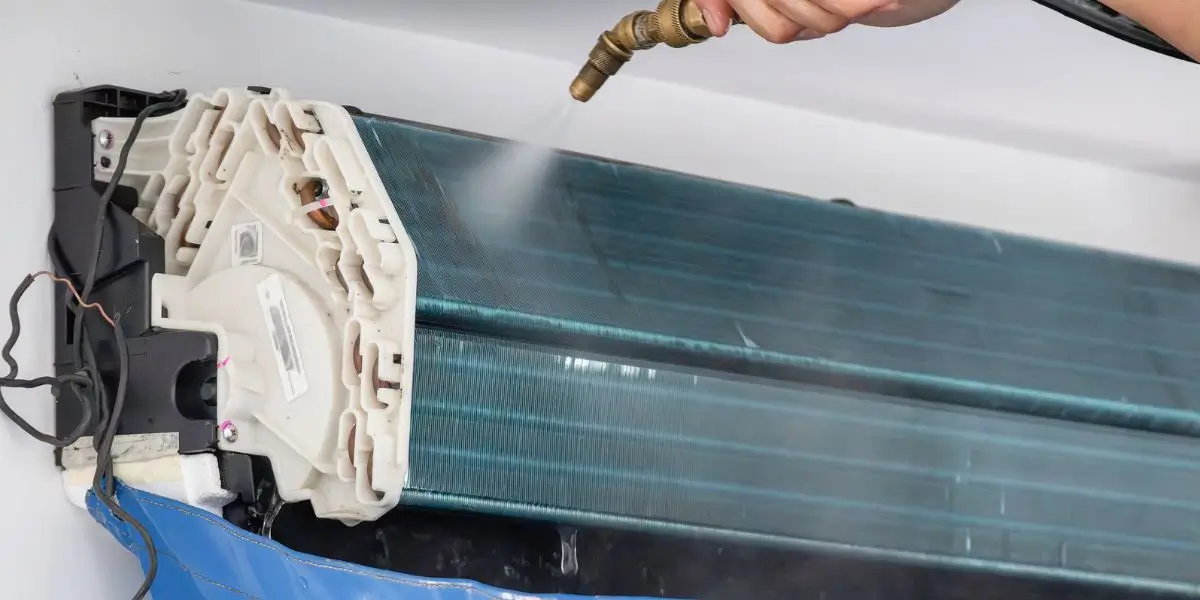
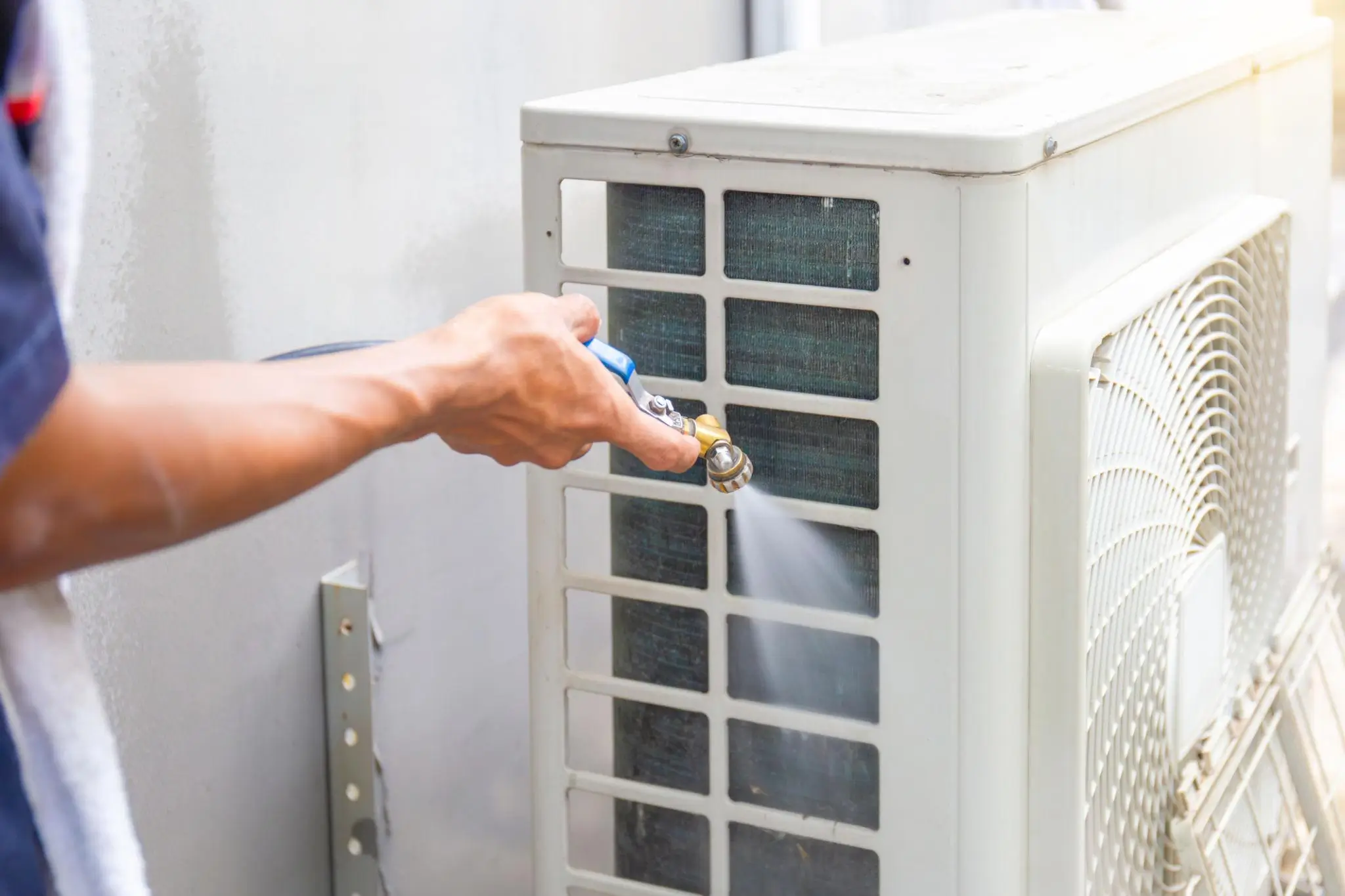
To clean your evaporator coils, use a mild detergent and warm water. As the solution soaks in and loosens debris, it takes a few seconds to a few minutes. Before using it again, use a soft cloth or brush to remove any loose material.

ACs can be turned on after at least 6 – 7 hours, as detergent and water have been used.

Heavy-Duty Cleaning

Cleaning and maintenance of your A/C evaporator coils should be scheduled as soon as they become heavily soiled or filthy. Removing the coil, cutting and reattaching refrigerant lines, restoring vacuum in the refrigerator lines, and recharging or refilling the system are all possible steps in the process.

It would be better to wait for a few hours before switching on the AC.

Are you seeking an AC Contractor Near Me?

Do you want to save money on cleaning and servicing? We can be of help.

Call us at 2817190722. Schedule Air Conditioning Services Online today!

What Is the Ideal Nighttime Temperature for Your Air Conditioner?

A good night’s sleep can provide numerous health benefits to your body, skin, and nervous system. Setting a pleasant room temperature is one of the techniques to have a better night’s sleep. According to the Department of Energy, when people are at home and need cooling, 78° Fahrenheit is the perfect spot for air conditioners to balance energy savings and comfort.

Learn why temperature matters for sleep and what setting your air conditioner should be set to at night.

Why Is It Important To Sleep at The Proper Temperature?

The temperature of the room in which you sleep has a significant impact on the quality of your sleep. Several studies have looked at the changes in body temperature while you sleep over the years and discovered that, on average, the human body lowers a couple of degrees during the early hours of the morning. This temperature decline is part of its usual cycle, but it requires a particular ambient temperature to function effectively.

It has been proven that exposure to colder or hotter temperatures disrupts sleep, increases alertness, and prevents rapid eye movement (REM) sleep. As you surely know, it’s not good if you wake up easily because it usually means you’re not getting enough sleep. It’s also counterproductive if your body cannot enter REM sleep, which is a more restful and deeper period of sleep.

Your circadian clock controls these different periods of sleep. It cannot perform correctly when subjected to harmful environmental conditions such as high humidity, too hot, or too cold. Insomnia or insufficient slumber can result from disruptions in your circadian cycle, which usually means you wake up even more fatigued in the morning.

Ideal Air Conditioner Temperature For Sleeping

The appropriate room temperature for sleeping varies from person to person and is determined by your level of comfort. Cooler temperatures, on the other hand, are thought to work better than warmer conditions since they help your body’s core temperature drop.

According to experts, the optimal temperature for sleeping at night is 25 degrees Celsius. Using the thermostat on your air conditioner will help you achieve this temperature. You can also search for an AC installation near me for expert assistance.

How Can Your Air Conditioner Assist You in Sleeping?

Winters are usually not a problem because the human body likes a colder sleeping temperature. If you have a programmable thermostat that you’re utilizing to remain warm during the winter, simply turn it down a notch, and you should be ready to go.

However, things become a little more difficult in the summer. You can use a smart thermostat to automatically regulate the room temperature during the night once more. If that fails, many people rely on their old-fashioned air conditioners to keep them cool on hot summer evenings.

Do you want to cut your HVAC maintenance costs? Air United Mechanical can assist you in this task. Look for an AC replacement near me or call us at (281) 719-0722.

Signs Your Air Conditioning System Needs Repair

With the extreme summer heat in recent years, an air conditioning system is no longer a luxury—it’s a necessity. A well-maintained, fully functional AC system ensures you stay cool and comfortable throughout the season without unexpected breakdowns.

But what happens when your AC starts showing signs of trouble? Getting stuck in the middle of summer with a malfunctioning air conditioner—or worse, one that completely shuts down—can be a nightmare. The key is to catch early warning signs before small issues turn into costly repairs.

If you’re unsure whether your air conditioning system needs attention, here are some common signs that it’s time for AC repair to keep your home comfortable all summer long.

1. Your AC Isn’t Cooling Properly

Is your air conditioning system struggling to cool your home like it used to? If you find yourself lowering the thermostat more than usual but still not getting the desired temperature, there could be a problem. Inconsistent cooling or weak airflow are clear indicators that your AC system needs professional air conditioning repair.

2. Unexpectedly High Energy Bills

A sudden spike in your electricity bill without any change in usage could signal an issue with your AC system repair needs. When the compressor, refrigerant, or other components aren’t working efficiently, your air conditioner has to work harder—leading to increased energy consumption. If your bills are unusually high, it’s time to schedule a professional inspection.

3. Frequent Repairs & Maintenance Calls

Routine AC maintenance is essential, but if you find yourself calling for air conditioning repair multiple times a year, there’s likely an underlying issue. Constant breakdowns and repeated servicing mean your system may require a major repair—or even a replacement.

4. Strange Noises Coming from Your AC

Your air conditioning system should run smoothly with minimal noise. While some humming is normal, unusual sounds like banging, screeching, clicking, or rattling could indicate a serious mechanical issue. If your AC starts making loud or unpleasant noises, don’t ignore them—get AC repair in Spring TX as soon as possible.

5. High Indoor Humidity Levels

One of the main functions of your air conditioning system is to regulate humidity. If your home feels excessively humid, sticky, or has a musty odor, your AC may not be functioning properly. A professional inspection can help identify the issue and prevent further damage to your system.

Signs Your Air Conditioning System Needs Repair

Get Expert Air Conditioning System Repair in Magnolia, TX

Don’t wait until your AC breaks down completely. If you’ve noticed any of these warning signs, contact us for fast and reliable AC repair services. We provide expert air conditioning repair in Spring, Magnolia, Conroe, Cypres, The Woodland, Tomball, TX and surrounding areas.

Call us today at (281) 719-0722 to schedule your air conditioning system inspection and stay cool all summer long!

What’s Included In An AC Tune-Up From Service Champions

Keep Your AC Running Smoothly with a Professional Tune-Up

Air conditioners are essential for keeping your home comfortable during the summer. With rising temperatures every year, they have become a necessity, and an unexpected breakdown in the middle of the season can be a nightmare.

To avoid costly repairs and ensure your system runs efficiently, it’s recommended to schedule regular maintenance and tune-up sessions before the season starts.

Before searching for “air conditioning tune-up near me,” it’s helpful to understand what an AC tune-up includes. If you’re in Cypress, Conroe, Spring, Magnolia, The Woodlands, or Tomball, TX, professional ac maintenance can help extend your system’s lifespan and keep it performing at its best.

AC Tune-up services by United Air Mechanical

What’s Included in an AC Tune-Up?

✔ Inspect and Tighten Electrical Connections
Loose or damaged wires can prevent your AC from receiving adequate power, reducing efficiency and potentially leading to system failure. During a tune-up, technicians inspect, tighten, and replace any faulty connections to ensure safe and optimal performance.

✔ Lubricate Moving Parts
Friction between moving parts can cause excess wear and tear, leading to higher energy consumption and system inefficiency. Technicians apply lubrication where needed to enhance performance and prolong the unit’s lifespan.

✔ Clean Condenser and Evaporator Coils
Over time, dirt, debris, and grass can accumulate on the condenser, while evaporator coils may become clogged. This buildup can significantly reduce your AC’s cooling ability. 

During the tune-up, technicians thoroughly clean these components. If any part is beyond repair, they may recommend an air conditioning replacement to prevent further issues.

✔ Clear Condensation Drains
A clogged condensate drain can lead to excess moisture and humidity inside your home, creating the perfect environment for mold growth. As part of the tune-up, service providers clean and unclog these drains to maintain proper drainage.

✔ Adjust and Clean Blowers
A well-functioning blower ensures even airflow throughout your home, preventing hot and cold spots while improving overall efficiency. Cleaning and adjusting the blower can help lower energy costs and keep your space consistently comfortable.

✔ Check and Recharge Refrigerant Levels
Maintaining the correct refrigerant level is crucial. Too much or too little refrigerant can make your AC work harder, decreasing efficiency and shortening its lifespan. Technicians will check and refill refrigerants as needed to optimize performance.

Need an AC Tune-Up? We’ve Got You Covered!

If you’re searching for reliable air conditioning tune-up services in CypressConroeSpringThe Woodlands, Magnolia, or Tomball, TX, we’re here to help! Regular maintenance can save you money by preventing costly repairs and extending the life of your unit.

Looking for air conditioning replacement or tune-up services? Give us a call at (281) 719-0722 today!